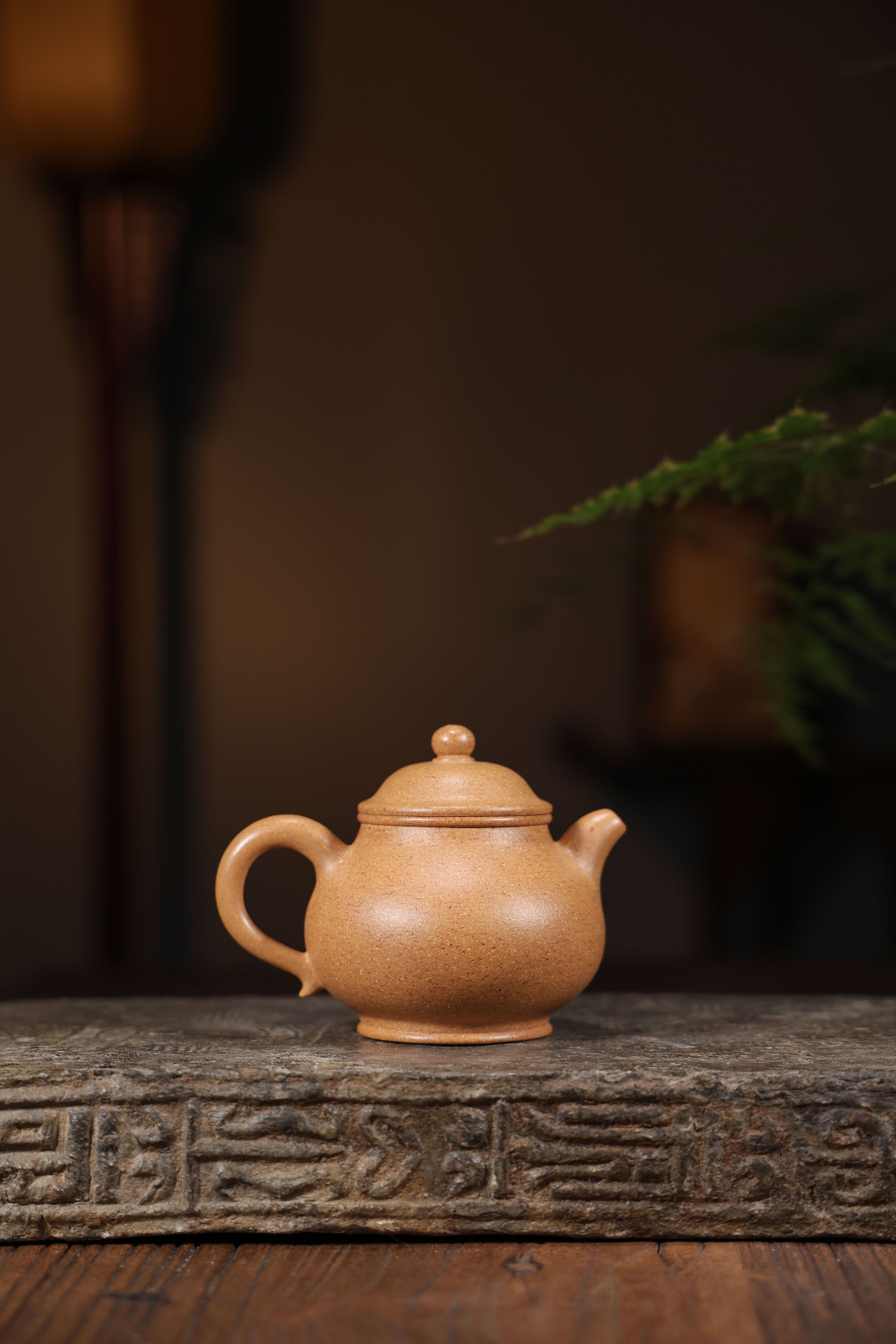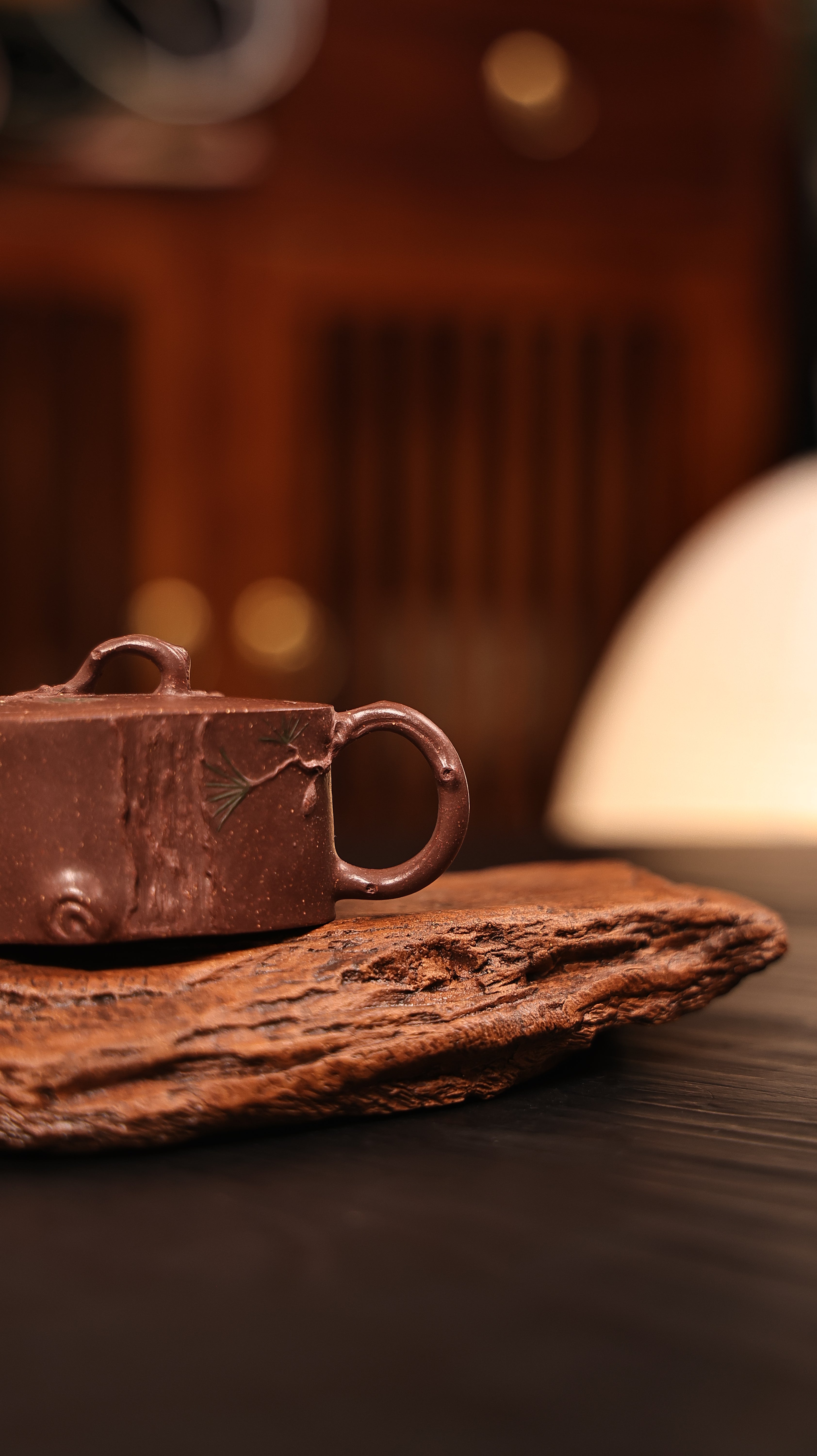
Eras of lovers have long pursued the particular fascination of Yixing Zisha earthenware. Coming in the modest town of Yixing, the land, these containers are produced from a uncommon and mined purple clay distinguished for its outstanding thermal properties and ability to enhance the richness of extracts. Exceeding their operative worth, Zisha teapots symbolize a time-honored traditional legacy, rendering them markedly coveted and a authentic treasure for any committed teapot appreciator.
Delving into Yixing Pitchers
Historical teapots exhibit a remarkable unification of history and traditional craftsmanship. Originating in Yixing, Jiangsu Locale of China, their narrative stretches the Ming Dynasty, although evidence suggest earlier instances. The special burgundy clay, called Zisha, found specifically in the Yixing region, is the key component, contributing to the pots' notable heat stability and the manner they control the essence of tea. Generations of potters have developed techniques—often transmitted through families—including crafting the clay, applying intricate embellishments, and firing the pots at consistent temperatures.- In the past, Yixing teapots were often beautified with simple designs.
- Eventually, more refined carvings and symbolic motifs became trendy.
- The thermal curing itself is a critical element, requiring prolonged intervals of experience.
Amassing Zisha Teapots: Essential Insights
Embarking on a venture to procure Zisha vessels can be gratifying, but it’s crucial to recognize what to consider. Authenticity is vital; focus on the soil’s natural tone, a earthy reddish-brown is regular. Examine the surface; genuine Zisha has a special tactile sensation, often noted as slightly uneven. The configuration should be well-proportioned and consistent with classic styles, while stamps, if present, require precise examination for veracity. Don’t delay to consult with expert connoisseurs or dependable references – their expertise is irreplaceable.
Oriental Teapots: Delving into the Legacy of authentic Purple Ware
Eons have seen Yixing Zisha teapots hold a significant role in Chinese heritage. These skillfully produced pots, sourced exclusively from the area of Yixing, are celebrated for their recognizable tone, grain, and their ability to develop the bouquet of decoctions. Scores of collectors collect antique Yixing teapots, admiring Purple Clay Teapot them significantly not only for their aesthetic magnificence, but also for the legacy they portray.
Yixing Zisha Teapots: The Best Types and Their Details
Zisha Clay teapots, produced in the genuine district of Yixing, the country, are esteemed for their singular clay and superb brewing qualities. Among the countless Zisha types, notable classes that are highly admired include Huiwan. Binzhou, known for its dark purple shade and smooth texture, delivers a tempered flavor. Duan Ni species, recognizable by its coppery color and a little grainy feel, is thought to enhance a richness. Lastly, Zhuni faction boasts an infrequent crimson tone and can offer a agreeable nuance. Each form provides a individual experience, enabling them extremely desirable to potion enthusiasts.
Conquering A Yixing Container
To discover the full potential of your Yixing urn, mastering the correct approach is fundamental. These clay teapots, celebrated for their absorbency, will successively incorporate the essence of the tea you cook within them. Begin by cleaning the jar thoroughly with heated water. Then, use only high-quality fresh leaf tea, as lower quality options can harm the object’s delicate essence. Always allow the leaves to bloom completely, and remember that with each brewing, your Yixing pitcher will become ever esteemed.
Preserving Your Beloved Zisha Piece
Proper management for your Zisha pot is fundamental to protecting its integrity and significance. Zisha clay, respected for its unique tone and structure, requires delicate handling. Never use stringent detergents, as these can ruin the covering. After every brewing, rinse the urn with lukewarm water and allow it to evacuate moisture completely.
- Avoid soaking the pot for extended lengths.
- Regularly use a soft cleanser cloth to wipe the exterior.
- Contemplate applying a thin layer of food-grade ointment inside the teapot after drying, which can lessen staining.
Essentials of Yixing Vessels
Yixing earthenware, originating from the Yixing sector in Jiangsu Province, within China, are celebrated for their distinctive properties. Fabricated from the unique purple earth known as Zisha, these kettles are prized by potion enthusiasts worldwide. This summary will simply explain the core elements – covering forms of Zisha composite, popular shapes, and important care recommendations. Understanding the tradition of Yixing pitchers can heighten your appreciation for this traditional example of Eastern custom.
Technique of Eastern Pots: Highlighting Zisha sourced from the Yixing area
Zisha soil from this city of Yixing represents the culmination of Asian teapot design, featuring a distinctive mixture of organic beauty and operational artistry. These outstanding pieces are celebrated for their intense tones, often varying from robust purples and chestnut hues to light greys and gentle beiges. The unique mineral composition of the indigenous Zisha terrain imparts a identifying texture and yields a desirable aroma that boosts the total infusion experience, rendering them very sought-after collectibles and integral components of any serious tradition.