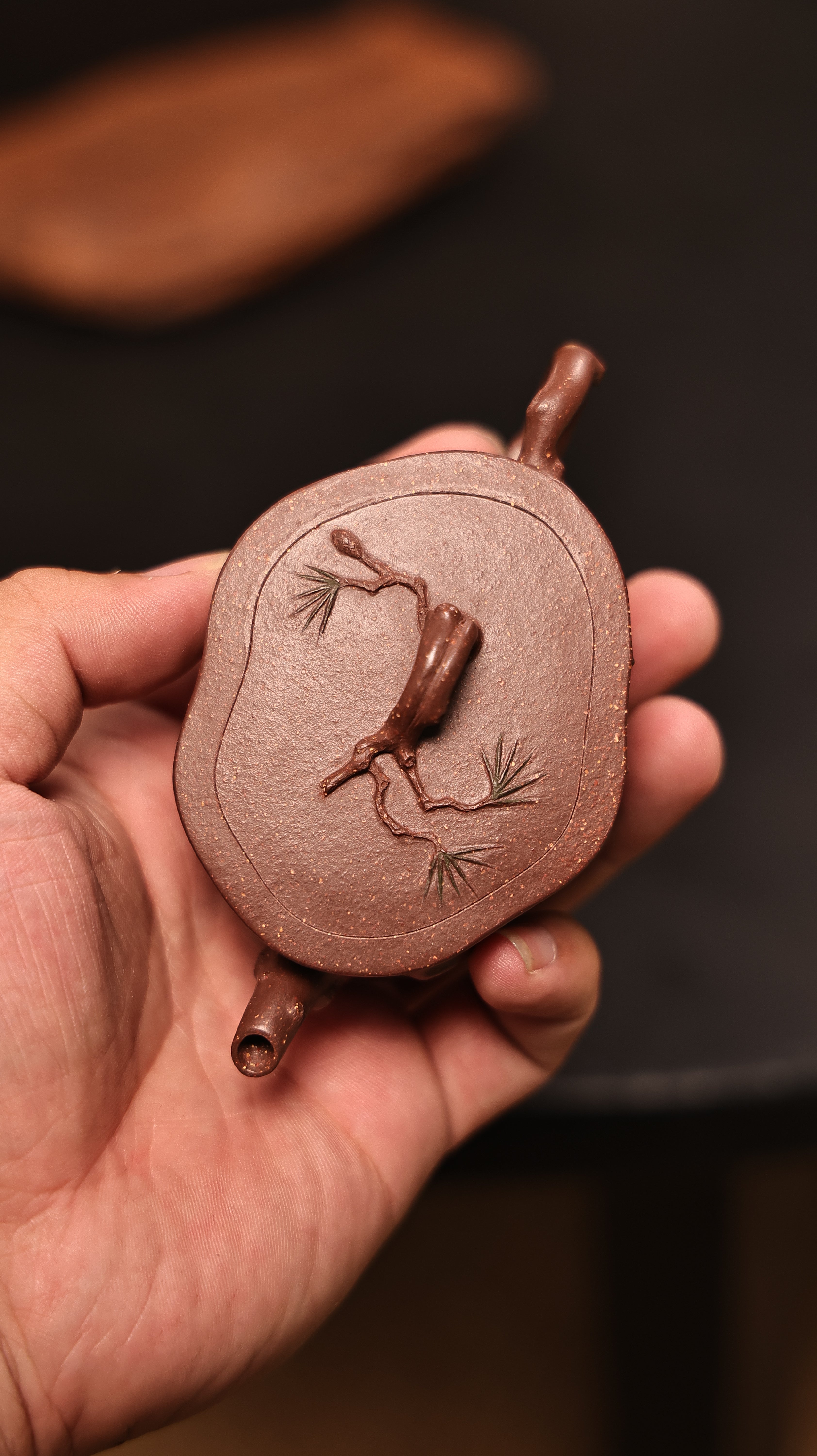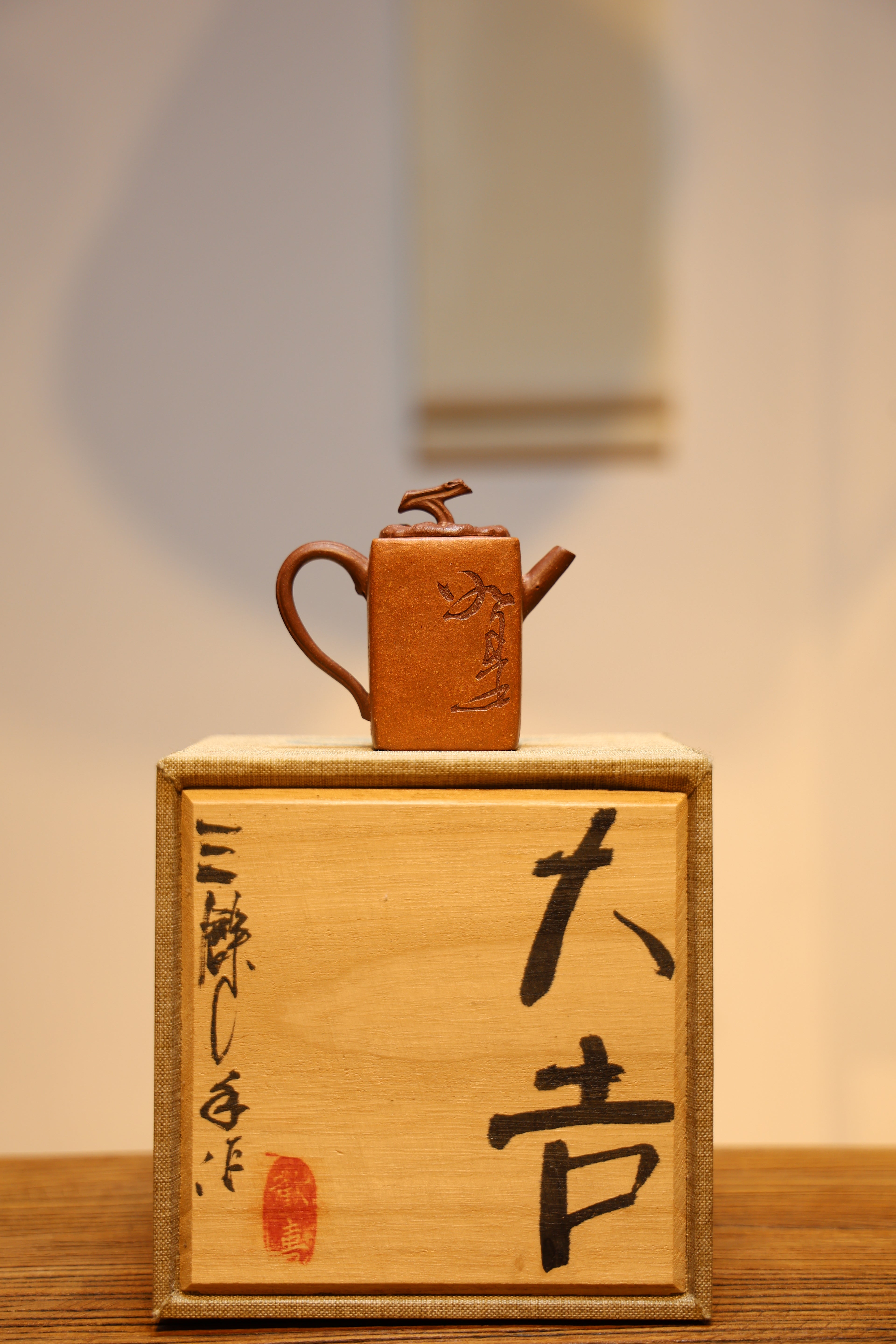
Epochs of connoisseurs have sought the exclusive allure of Yixing Zisha kettles. Hailing in the quaint town of Yixing, the state, these earthenware are fabricated from a peculiar and extracted purple clay noted for its premium thermal aspects and potency to augment the essence of brews. Beyond their valuable asset, Zisha teapots express a deep cultural pedigree, resulting them exceptionally collectible and a genuine marvel for any ardent teapot fan.
Exploring Yixing Kettles
Traditional teapots exhibit a distinct integration of history and traditional craftsmanship. Originating in Yixing, Jiangsu Territory of China, their narrative stretches the Ming Dynasty, although indications suggest earlier models. The distinctive purplish clay, called Zisha, found just in the Yixing region, is the crucial component, contributing to the pots' superior heat conservation and the manner they affect the quality of tea. Dynasties of potters have refined techniques—often conveyed through families—including forming the clay, applying exquisite embellishments, and firing the pots at controlled temperatures.- Historically, Yixing teapots were often enhanced with simple designs.
- Subsequently, more detailed carvings and pictorial motifs became prevalent.
- The baking itself is a indispensable element, requiring long durations of mastery.
Amassing Zisha Teapots: Essential Insights
Starting a venture to collect Zisha pots can be profitable, but it’s important to appreciate what to search for. Authenticity is essential; focus on the clay’s natural tint, a understated reddish-brown is usual. Examine the quality; genuine Zisha has a distinctive tactile sensation, often defined as slightly rugged. The form should be balanced and consistent with authentic styles, while marks, if present, require close examination for reliability. Don’t shy away to consult with knowledgeable enthusiasts or credible materials – their knowledge is indispensable.
Eastern Pots: Delving into the Custom of authentic Pottery
Millennia have seen Yixing Purple Clay teapots occupy a important role in Chinese legacy. These exquisitely made pots, sourced solely from the territory of Yixing, are noted for their singular cast, nature, and their ability to heighten the aroma of brews. Several collectors pursue antique Yixing teapots, appreciating them deeply not only for their aesthetic loveliness, but also for the records they stand for.
Yixing Zisha Teapots: The Best Types and Their Characteristics
Yixing Zisha teapots, originating from the Yixing province of Yixing, China, are well-known for their remarkable clay and first-rate brewing characteristics. In the diverse Zisha types, specific categories that are highly prized include Binzhou Purple Sand. Binzhou, known for its bold purple shade and sleek texture, delivers a moderate flavor. Duan Ni form, recognizable by its coppery color and a little grainy feel, is thought to enhance a heft. Lastly, Zhuni faction boasts an scarce crimson tone and can impart a savory nuance. Each class presents a distinct experience, facilitating them notably desirable with beverage enthusiasts.
Perfecting Unique Earthenware Vessel
To tap into the capability of your Yixing pot, knowing the correct means is crucial. These clay containers, celebrated for their openness, will incrementally develop the nature of the tea you infuse within them. Begin by washing the urn thoroughly with heated water. Then, use only high-quality fresh leaf tea, as lower quality options can harm the object’s delicate essence. Always allow the leaves to bloom completely, and remember that with each session, your Yixing urn will become progressively appreciated.
Caring for Your Valuable Zisha Item
Proper maintenance for your Zisha pitcher is critical to securing its character and esteem. Zisha clay, known for its unique cast and makeup, requires gentle handling. Never use caustic detergents, as these can ruin Yixing Zisha Teapot the covering. After every brewing, rinse the urn with tepid water and allow it to evacuate moisture completely.
- Refrain from soaking the container for extended sessions.
- From time to time use a soft polishing cloth to polish the exterior.
- Reflect on applying a thin layer of food-grade mineral oil inside the pot after drying, which can avoid staining.
Essentials of Yixing Pots
Yixing clay pots, originating from the Yixing district in Jiangsu Province, China, are celebrated for their distinctive attributes. Constructed from the unique purple compound known as Zisha, these vessels are prized by infusion enthusiasts worldwide. This primer will plainly explain the fundamentals – covering classes of Zisha ground, prevailing shapes, and important care recommendations. Understanding the tradition of Yixing pitchers can heighten your appreciation for this traditional example of Oriental craftsmanship.
Trade of Asian Teapots: Focusing on Zisha made in this city of Yixing
Zisha substance from the Yixing territory represents the pinnacle of Yuan vessel design, possessing a singular amalgamation of raw beauty and effective artistry. These famous pieces are esteemed for their dynamic tints, often encompassing deep purples and rust hues to subtle greys and delicate beiges. The specific mineral composition of the local Zisha soil imparts a characteristic texture and produces a pleasing aroma that richens the comprehensive concoction experience, enabling them notably cherished collectibles and indispensable components of any serious ritual.